
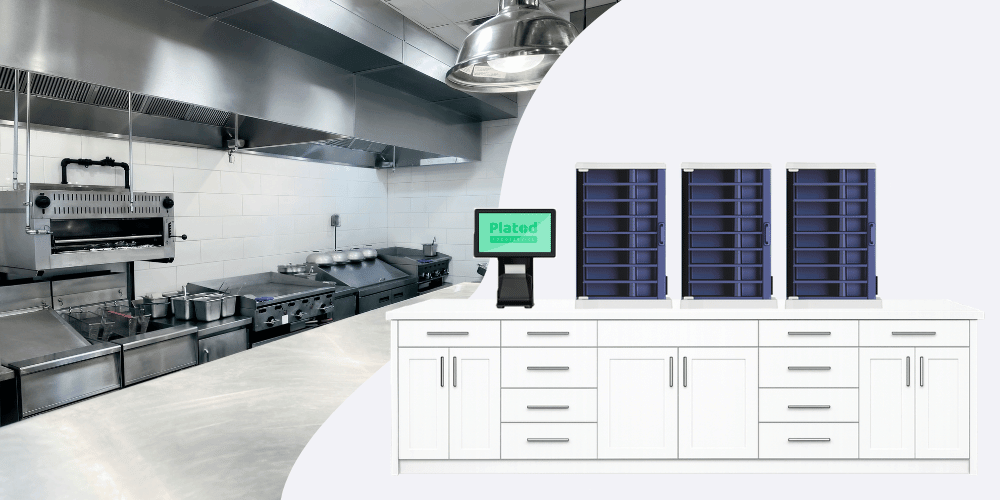
For years, healthcare organizations assumed that serving meals meant building and staffing a commercial kitchen. That assumption held even as labor shortages deepened, construction costs climbed, and smaller facilities found themselves priced out of traditional foodservice models entirely.
That assumption is worth questioning. Today, a growing number of skilled nursing facilities, behavioral health centers, hospitals, and IDD day programs are delivering quality foodservice without a commercial kitchen by adopting prepared meal systems, rethermalization equipment, and software-driven dietary management.
Here are the operational models, food safety considerations, equipment requirements, and decision factors that foodservice leaders need to evaluate when considering a meal program without traditional kitchen infrastructure. Plated Foodservice has built its entire system around this concept, and we'll reference how it works alongside broader industry approaches.
Key Takeaways: Foodservice Without a Commercial Kitchen in 2026
- Kitchenless foodservice models eliminate the capital cost and staffing burden of operating a full commercial kitchen on-site.
- Prepared frozen meals paired with rethermalization units allow facilities to serve hot, quality meals with minimal training.
- Food safety compliance is achievable without a kitchen when meal systems reduce human handling and automate temperature tracking.
- Plated Foodservice's integrated system of frozen meals, heating units, and management software is purpose-built for healthcare organizations.
- Regulatory requirements under CMS food and nutrition guidelines can be met through contracted or delivered meal programs with proper documentation.
Why Healthcare Organizations Are Moving Away from Commercial Kitchens
The traditional model of healthcare foodservice requires dedicated kitchen space, commercial-grade equipment, certified culinary staff, and complex supply chains for raw ingredients. For a 60-bed skilled nursing facility, that translates into significant overhead before a single meal is plated.
Labor is the primary pressure point. The foodservice sector averaged 65.5% annual turnover in 2025, according to data compiled by the Bureau of Labor Statistics. When kitchen staff leave, the gap often falls to clinical or administrative personnel who weren't hired to cook.
At the same time, smaller facilities and newer programs face a capital barrier. A full commercial kitchen buildout in 2026 costs between $250 and $500 per square foot, and permitting timelines in some markets stretch to 18 months. For behavioral health programs or IDD day programs operating on tight budgets, that cost can be prohibitive.
These pressures are compounding. Reimbursement rates aren't keeping pace with construction and labor inflation, creating a gap that forces foodservice directors to reconsider whether traditional kitchens remain the only viable path forward.
What Does "Foodservice Without a Kitchen" Actually Mean?
Kitchenless foodservice doesn't mean going without meals. It means shifting meal production off-site and focusing your on-site operation on receiving, storing, reheating, and serving. The meals themselves arrive fully prepared and individually packaged.
In practice, the on-site infrastructure required is minimal: freezer storage for meal inventory, countertop heating equipment, and a serving area. There's no need for cooking ventilation, grease traps, commercial dishwashers, or specialized exhaust systems.
This approach is sometimes called "kitchen replacement" or a "kitchenless model." It applies across healthcare settings where meal production was never the core mission of the organization.
Common Kitchenless Foodservice Models for Healthcare
Prepared Frozen Meal Programs
The most common kitchenless approach uses individually packaged frozen meals created by culinary professionals and delivered on a recurring schedule. Each meal is fully cooked and frozen using Individually Quick Frozen (IQF) technology to preserve quality.
Facilities store meals in standard commercial freezers and heat them on demand. This model eliminates raw ingredient handling, multi-step cooking, and the food safety risks associated with scratch preparation.
Rethermalization of Meals
Rethermalization refers to the process of reheating pre-cooked frozen meals to a safe serving temperature using controlled, even heat. Each managed meal program will have it's own recommended heating solution. Some may require you to purchase the equipment yourself. Generally a good rethermalization appliance will use low-and-slow conduction heating for consistent results.
Plated Foodservice's patent-pending rethermalization appliances are designed specifically for this purpose. Each countertop unit holds up to 8 meals, requires only standard electrical outlets and WiFi, and guides staff through the heating process via an intuitive touchscreen portal.
Contracted Meal Delivery Services
Some facilities contract with regional caterers or meal delivery organizations for daily or multi-weekly deliveries of ready-to-eat or ready-to-heat meals. This model works for community programs, day services, and transitional housing where on-site storage capacity may be limited.
The tradeoff is less control over menu variety, dietary customization, and meal timing compared to storing frozen inventory on-site. You're also dependent on daily logistics, which introduces weather and transport risks.
Hybrid Models
Certain organizations maintain a small warming kitchen or pantry for light preparation tasks (beverages, salads, snacks) while relying on a prepared meal system for entrees and primary nutrition. This hybrid approach can satisfy residents who value fresh elements alongside the consistency of a managed meal program.
Food Safety Considerations When Operating Without a Kitchen
Food safety is not simply a kitchen concern. Every additional handling step creates another opportunity for contamination. A kitchenless model can reduce food safety risk by removing the most hazard-prone steps from the on-site operation entirely.
The Centers for Disease Control and Prevention (CDC) food service guidelines for institutional settings focus on safe storage temperatures, proper reheating protocols, and documentation of time-temperature controls. A prepared meal system addresses these requirements with built-in safeguards.
How Prepared Meals Reduce Handling Risk
When meals arrive fully cooked and vacuum sealed, you eliminate cross-contamination risks from raw proteins, reduce the time food spends in the temperature danger zone, and limit the number of staff who physically interact with food before service.
Plated Foodservice meals are fully cooked before leaving production, then immediately vacuum sealed and individually quick frozen to lock in quality while minimizing contamination opportunities after cooking.
Temperature Monitoring and Documentation
Regulatory surveys require documentation of food storage temperatures, reheating temperatures, and holding times. A manual kitchen relies on staff to record these data points consistently, which creates gaps during shift changes or high-volume service periods.
Plated Foodservice's Meal Management System includes digital temperature logs, real-time alerts, and automated holding functionality that maintains meals at optimal serving temperature for up to two hours. This creates an auditable compliance trail without adding to staff workload.
HACCP Principles in a Kitchenless Environment
Hazard Analysis and Critical Control Point (HACCP) principles still apply in settings without a kitchen. The critical control points shift from raw ingredient handling to receiving inspection, freezer storage temperatures, and reheating temperature verification.
A kitchenless HACCP plan is typically simpler to manage because it has fewer control points and fewer variables. The meal manufacturer handles the production-side hazards, and your on-site plan focuses on storage and service.
Meeting Regulatory Requirements Without a Commercial Kitchen
One of the most common concerns for foodservice directors considering a kitchenless model is regulatory compliance. The relevant federal regulation for skilled nursing facilities, 42 CFR 483.60, requires that each resident receives a nourishing, palatable, well-balanced diet that meets daily nutritional and special dietary needs.
Notably, the regulation does not mandate that meals be prepared on-site. Facilities may contract meal preparation to qualified third parties as long as they maintain oversight of nutritional adequacy, food safety, and resident satisfaction.
State Survey Preparedness
State surveyors assess documentation, dietary compliance records, temperature logs, and resident satisfaction scores. A well-implemented kitchenless system can meet these requirements through automated record-keeping and standardized processes.
Digital documentation systems like those built into Plated Foodservice's platform allow facilities to pull menus, meal logs, nutrition reports, and temperature records during a survey in minutes rather than hours of paper sorting.
Dietary Accommodation and Therapeutic Diets
Meeting therapeutic diet requirements (cardiac, renal, diabetic, low-sodium, texture-modified) is a frequent concern for facilities considering prepared meals. The concern is valid: a system that cannot accommodate individual dietary needs won't pass regulatory muster.
Plated Foodservice's menu planning software automatically generates individualized meal plans based on each resident's dietary restrictions, preferences, allergies, and nutrition goals. This automates a process that traditionally required a full-time dietitian managing spreadsheets and manual calculations.
Equipment Needed to Serve Meals Without a Kitchen
The infrastructure requirements for a kitchenless operation are modest compared to a commercial kitchen. Here's what your facility needs:
Freezer Storage
Standard commercial reach-in or walk-in freezers hold meal inventory. Storage capacity depends on delivery frequency and census. Most facilities receiving weekly deliveries need enough freezer space for 7 days of meals at full census plus a safety buffer.
Rethermalization or Heating Equipment
Rethermalization appliances are the core of the service model. Plated Foodservice's appliances fit on standard countertops, require only wall outlets and WiFi, and hold up to 8 meals per unit. Multiple units can be deployed across floors or service areas for larger facilities.
Serving Area
A simple countertop or rolling cart for plating and distributing meals. No specialized ventilation, grease management, or fire suppression systems needed. The footprint is a fraction of what a traditional kitchen requires.
WiFi Connectivity
Connected systems like Plated Foodservice require WiFi for real-time monitoring, automated alerts, and compliance documentation. Most facilities already have the network infrastructure in place.
Who Benefits Most from a Kitchenless Foodservice Model?
Skilled Nursing Facilities Facing Staffing Shortages
When you can't reliably staff a kitchen, the operational risk of scratch cooking becomes a daily liability. A prepared meal system with guided rethermalization empowers small care teams to serve personalized meals with reliability and ease, regardless of whether a trained cook is on shift.
Behavioral Health and Addiction Treatment Centers
Behavioral programs need foodservice that supports consistent, nutritious meals while keeping staff focused on client care. A kitchenless model provides a dependable, long-term alternative to on-site cooking, combining fully prepared meals, compact rethermalization equipment, and simple service requirements to deliver quality food without the cost, complexity, and staffing demands of a commercial kitchen.
IDD Day Programs
Day programs often operate in spaces that were never designed for food preparation. Participants need nutritious meals tailored to individual needs, but the budget and physical space rarely support a kitchen buildout. Countertop rethermalization units and a managed frozen meal program fit these environments precisely.
Hospitals Decentralizing Foodservice
Some hospital systems are moving toward decentralized service points on individual floors rather than relying on a single central kitchen and tray delivery system. Compact rethermalization equipment supports this shift by placing heating capacity closer to the patient, reducing transit time and improving meal temperature at delivery.
How to Evaluate a Kitchenless Foodservice System
Menu Variety and Dietary Flexibility
Ask how many unique meal options are available, how frequently menus rotate, and what therapeutic diets the system supports. A program that limits you to 10 meal choices will create menu fatigue quickly in long-term care settings where residents eat three meals a day, every day.
Nutritional Transparency
Look for full nutritional inforamtion on every meal and a software system that tracks individual intake against clinical targets. Nutrition management shouldn't require manual calculations or separate spreadsheet tracking.
Staff Training and Ease of Use
The system should be operable by any team member, not just trained culinary staff. Guided touchscreen interfaces, step-by-step workflows, and clear visual prompts reduce training time and enable cross-training across your care team.
Compliance Support
Evaluate whether the system generates the records you need for state surveys automatically. Digital temperature logs, meal service records, and dietary documentation should be accessible on demand without requiring manual compilation.
Scalability
If your organization operates multiple sites or plans to expand, look for a system that can be replicated consistently across locations without requiring kitchen buildouts at each one. Consistency across sites matters for both quality and compliance.
Cost Considerations: Kitchen vs. Kitchenless
A full comparison requires looking beyond food cost per meal to include labor, capital expenses, maintenance, utilities, and compliance overhead.
Traditional kitchen operations carry costs that are often invisible on a line-item budget: workers' compensation for kitchen injuries, turnover-related training expenses, emergency temp staffing when a cook calls out, equipment maintenance contracts, and compliance labor for manual documentation.
A kitchenless model consolidates many of these variable costs into a predictable per-meal or subscription structure. You know what meals will cost next month, next quarter, and next year. Budget predictability is a meaningful operational advantage when Medicare reimbursement rates shift and census fluctuates.
Addressing Common Concerns About Kitchenless Foodservice
Will Residents Accept Prepared Meals?
Meal quality has improved dramatically in the prepared food category. Individually portioned frozen meals created by culinary experts, using real ingredients and IQF technology, bear little resemblance to the "TV dinner" association some operators carry. Resident satisfaction often improves because of greater variety and consistent quality compared to understaffed scratch kitchens.
Can We Meet CMS Requirements?
Yes. Federal regulations require adequate nutrition, dietary accommodation, and proper food handling. They do not require on-site preparation. Contracted meal services with proper documentation and oversight have met CMS survey requirements across thousands of facilities nationwide.
What Happens If Delivery Is Disrupted?
On-site frozen inventory serves as a built-in buffer. Most facilities store a minimum of 5-7 days of meals, which means a single missed delivery does not create a service gap. This inventory model is inherently more resilient than daily-receipt models that rely on fresh ingredient deliveries arriving on time.
In Conclusion: Choosing the Right Foodservice Model for Your Facility
The question is no longer whether healthcare organizations can serve quality meals without a commercial kitchen. Programs across the country are already doing so, reporting reduced labor costs, improved compliance documentation, and stronger resident satisfaction.
The more relevant question is what your facility needs from its foodservice system: consistent nutrition, dietary flexibility, food safety assurance, staffing resilience, and a dining experience that honors the people you serve. Plated Foodservice was built to deliver exactly this, through integrated frozen meals, patent-pending rethermalization heating units, and a meal management software designed for healthcare.
Because in healthcare, food isn't simply a convenience. It's part of the care plan.
FAQs about Foodservice Without a Commercial Kitchen in 2026
What is a kitchenless foodservice model in healthcare?
A kitchenless model shifts meal production off-site. Fully prepared meals are delivered frozen, stored on location, and reheated using specialized equipment at service time. Your facility handles storing and serving rather than cooking from scratch.
Does operating without a kitchen meet state and federal regulations?
Federal regulations under CMS require adequate nutrition and food safety but do not mandate on-site meal preparation. Facilities can contract meal services as long as they maintain proper documentation, dietary oversight, and compliance records.
How does Plated Foodservice support dietary compliance?
Plated Foodservice's meal management system generates individualized meal plans based on each resident's dietary restrictions, allergies, and nutrition targets. The software automates menu planning and tracks nutritional intake against clinical goals for every person you serve.
What equipment do I need to serve meals without a kitchen?
You need commercial freezer storage, countertop rethermalization units, standard wall outlets, and WiFi. Plated Foodservice's compact heating appliances hold up to 8 meals each, require no special ventilation, and fit on standard countertops.
Is a kitchenless model right for skilled nursing facilities?
Skilled nursing facilities facing staffing shortages, rising kitchen labor costs, or aging kitchen infrastructure are well-positioned for this model. Plated Foodservice empowers small care teams to deliver personalized meals reliably, reducing dependence on hard-to-find culinary staff.
How does food safety work without a kitchen?
Food safety improves when you remove raw ingredient handling and multi-step cooking from the on-site operation. Plated Foodservice meals arrive fully cooked and sealed, and the rethermalization system includes automated temperature monitoring, real-time alerts, and digital compliance logs.
Interested in learning more about Plated Foodservice? Get in touch with us!